

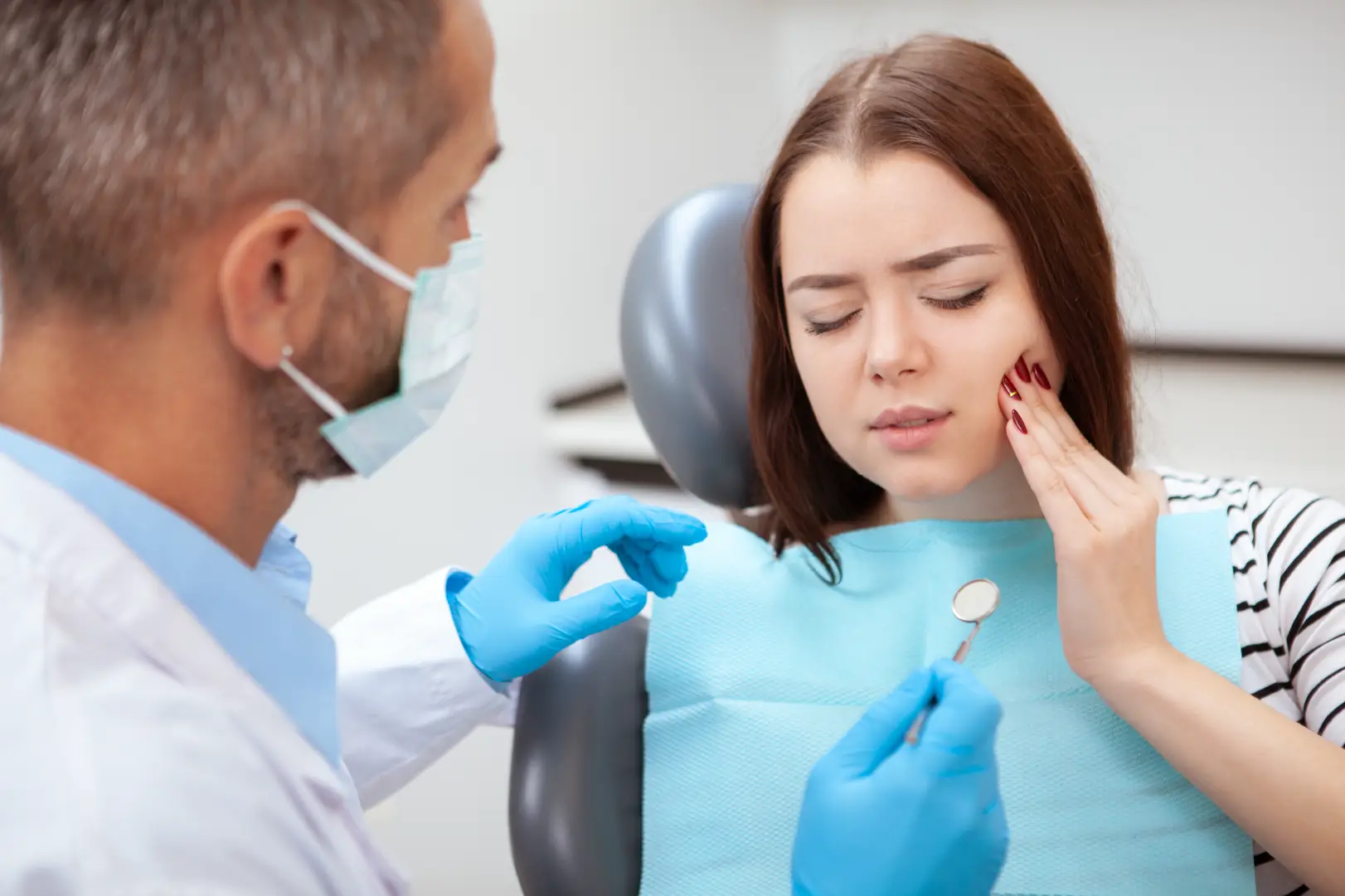
A holiday dinner should be remembered for the conversations, laughter, and time spent with loved ones, not a sudden toothache that makes every bite uncomfortable. Unfortunately, dental problems don’t follow a convenient schedule.
A cracked tooth, unexpected swelling, or painful infection can turn an otherwise enjoyable celebration into a stressful experience. That’s why understanding emergency dentistry before something happens can make a meaningful difference.
Knowing how to respond can help protect your teeth, manage discomfort, and prevent certain problems from becoming more serious. While some dental concerns can wait until regular office hours, others require immediate professional attention.
Continue reading to learn what to do when a dental emergency interrupts your holiday plans and which symptoms should never be ignored.
7 Things to Do During a Holiday Dental Emergency
A dental emergency can feel overwhelming, especially when your usual dentist isn’t available. The following steps can help you respond appropriately, protect your oral health, and determine when professional treatment is urgently needed.
1. Contact a Dental Professional Immediately
Your first step during a dental emergency should be to contact a qualified dental professional. Even if you’re unsure whether the problem is serious, speaking with a dentist can help you determine the appropriate next steps.
Some dental conditions require treatment within hours, while others can be managed temporarily until an appointment becomes available. A professional can help distinguish between these situations based on your symptoms.
For example, severe tooth pain, facial swelling, uncontrolled bleeding, and dental injuries deserve prompt attention. Delaying treatment may increase the risk of complications or make the affected tooth more difficult to save.
If your regular dental office is closed, check whether it provides emergency instructions or an on-call service. Some practices offer guidance outside normal business hours or direct patients to another provider.
An after-hours dentist may be able to evaluate urgent concerns when routine appointments aren’t available. However, services and availability vary, particularly during major holidays. If you experience difficulty breathing or swallowing, rapidly spreading facial or neck swelling, uncontrolled bleeding, or a serious facial injury, seek emergency medical care immediately rather than waiting for a dental appointment.
Professional assessment is especially important because pain intensity doesn’t always reflect the severity of the problem. Some serious infections may initially cause surprisingly little discomfort.
2. Stay Calm and Assess the Situation
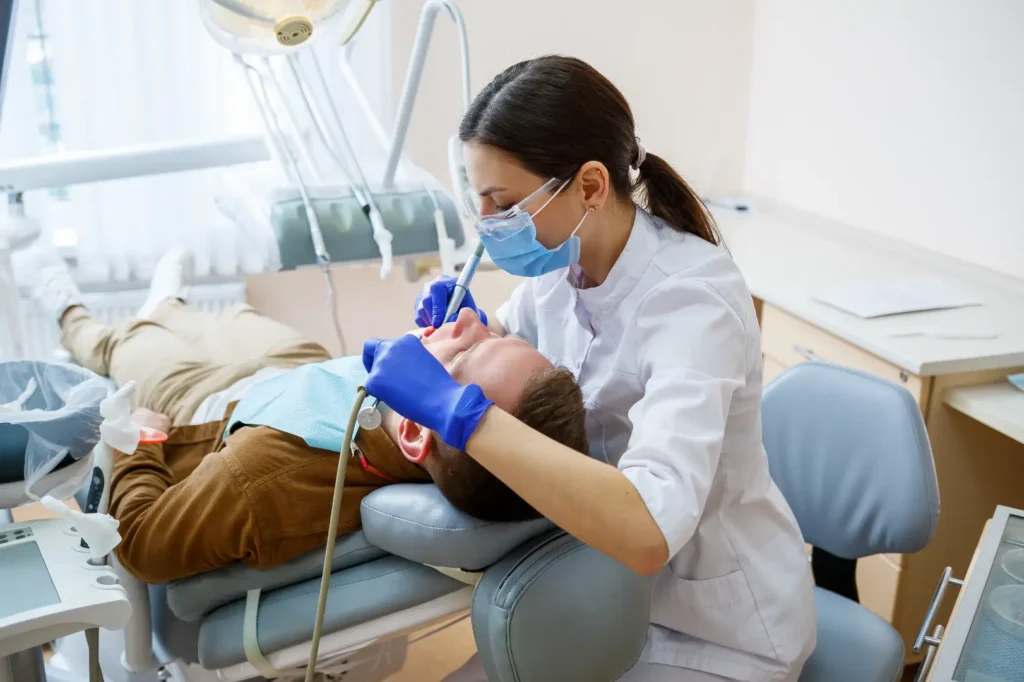
A sudden dental injury can be frightening, particularly when bleeding or severe discomfort is involved. However, responding calmly can help you identify the problem and avoid actions that could make it worse.
Start by checking whether the concern involves pain, swelling, bleeding, a broken tooth, or a missing tooth. If an injury occurred, try to determine whether any other parts of the mouth or face were affected.
Look for warning signs such as difficulty breathing, trouble swallowing, rapidly increasing swelling, or significant bleeding. These symptoms may indicate a medical emergency requiring immediate evaluation.
If you’re helping a family member, encourage them to sit upright and remain as comfortable as possible. Avoid repeatedly touching the injured area or attempting to examine it aggressively. A holiday dental emergency can happen during meals, recreational activities, or unexpected accidents. Knowing what occurred can help the dentist assess the likely injury.
If possible, note when the symptoms began and whether they have worsened. This information may be useful when speaking with a dental professional. Remember that your goal isn’t to diagnose the problem yourself. It’s to recognize potentially serious symptoms and obtain appropriate care.
3. Protect a Knocked-Out Tooth
Few dental injuries require faster action than a completely displaced permanent tooth. When a tooth is knocked out, the chances of saving it may depend on how quickly it receives appropriate care.
If you or another adult experiences a knocked-out tooth, locate it immediately and handle it by the crown, which is the visible chewing portion. Avoid touching the root because delicate cells on its surface are important for successful reimplantation.
If the tooth is dirty, gently rinse it with milk, saline, or a brief stream of water. Don’t scrub it, use soap, or wrap it in a dry tissue. For a conscious, cooperative adult with a permanent tooth, gently placing the tooth back into its socket may be appropriate if it can be done easily. Never force it into position.
If reinsertion isn’t possible, keep the tooth moist in a suitable tooth-preservation solution or milk. Avoid storing it dry or leaving it submerged in plain water for an extended period. Seek emergency dental care immediately, ideally within 30 minutes. The longer a permanent tooth remains outside its socket, the lower its chances of successful reimplantation.
Importantly, never attempt to reinsert a knocked-out baby tooth. Doing so can damage the developing permanent tooth underneath. Understanding how to handle a knocked-out tooth before an accident occurs can help protect a permanent tooth during those critical first minutes.
4. Manage a Severe Toothache Carefully
A toothache can range from mild sensitivity to persistent, throbbing pain that makes eating or sleeping difficult. Although temporary discomfort sometimes has a relatively simple cause, severe pain may indicate decay, inflammation, infection, or another dental problem.
If you’re experiencing a toothache, gently rinse your mouth with warm water. Carefully floss around the affected tooth if you suspect trapped food is contributing to the discomfort.
Avoid aggressively probing the gums or placing sharp objects near the painful area. These actions can injure the surrounding tissues without addressing the underlying problem.
Over-the-counter pain medication may provide temporary relief when used according to the product instructions and your medical circumstances. However, pain relief doesn’t mean the dental problem has resolved.
Never place aspirin directly against the tooth or gums. This can cause chemical irritation or burns to the soft tissues. You may also find it helpful to avoid chewing on the affected side. Extremely hot, cold, or sweet foods can worsen discomfort when a tooth is sensitive.
Patients wondering what to do for a dental emergency on a holiday should remember that severe or persistent tooth pain deserves professional evaluation. Waiting until the discomfort becomes unbearable may allow the underlying condition to worsen.
5. Take Facial Swelling Seriously
Swelling around the gums, jaw, or face should never be dismissed as an ordinary toothache. In some cases, it may indicate an infection that requires urgent treatment. A dental abscess is a collection of pus associated with bacterial infection. It can develop near the root of a tooth or within the surrounding gum tissues.
Symptoms may include persistent pain, gum swelling, tenderness, an unpleasant taste, or facial swelling. Some patients also experience fever or difficulty opening their mouths. A dental abscess emergency becomes particularly concerning when swelling spreads or affects breathing, swallowing, or the tissues around the neck and eyes.
If you notice these warning signs, seek emergency medical care immediately. Dental infections can occasionally spread beyond the original site and cause serious complications. Do not attempt to puncture or drain an abscess at home. This can injure surrounding tissues and does not provide appropriate treatment for the source of infection.
Antibiotics may be necessary in selected cases, but they don’t replace dental treatment when drainage, root canal therapy, or extraction is required. Prompt professional care is the safest way to address the infection and reduce the risk of further complications.
6. Don’t Ignore a Cracked or Broken Tooth
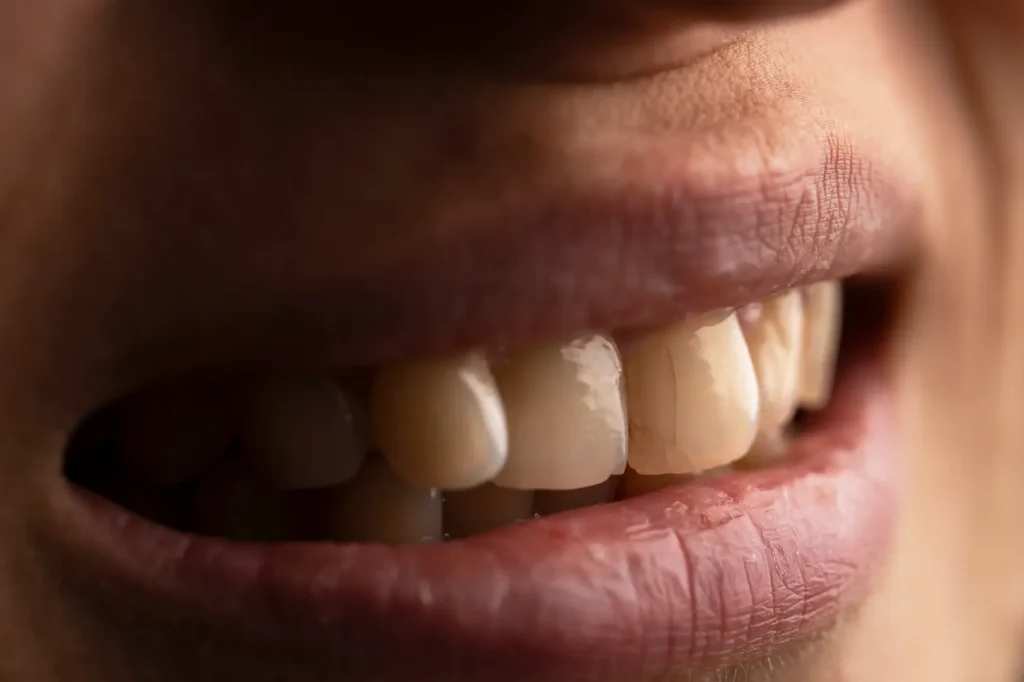
Holiday celebrations often involve foods that can place unexpected pressure on teeth. Biting into hard candy, nuts, or other firm foods may sometimes cause a weakened tooth to crack or break. If part of your tooth breaks off, gently rinse your mouth with warm water. If you can locate the broken fragment, store it safely and bring it to your dental appointment.
Avoid chewing on the affected side because additional pressure may worsen the damage. A broken tooth can also have sharp edges that irritate the tongue or cheek. If the tooth is painful or sensitive, avoid very hot or cold foods until it has been evaluated. A cold compress against the outside of the cheek may help manage swelling following an injury.
Some minor chips are primarily cosmetic, while deeper fractures may expose sensitive internal tissues. Certain cracks can also extend below the gumline and affect whether the tooth can be repaired. This is why professional assessment matters even when the tooth doesn’t hurt significantly. The absence of severe pain doesn’t necessarily mean the damage is minor.
A dentist can determine whether treatment may involve bonding, a crown, root canal therapy, or another procedure. The appropriate option depends on the location and extent of the fracture.
7. Control Bleeding the Right Way
Bleeding can occur after a dental injury, a fall, or trauma involving the lips, tongue, or gums. Although small amounts of bleeding may stop with simple first aid, persistent or heavy bleeding requires urgent attention.
If the bleeding is coming from a soft-tissue injury, apply gentle, steady pressure using clean gauze or a clean cloth. Maintain pressure for approximately 10 to 15 minutes without repeatedly removing the material to check the wound.
If the injury involves a recently extracted tooth, follow the post-extraction instructions provided by your dentist. Biting gently on gauze is commonly recommended to help control bleeding from the socket.
Avoid vigorous rinsing, forceful spitting, or disturbing a forming blood clot. These actions may restart bleeding or interfere with healing. A cold compress applied externally may help reduce swelling associated with an injury. However, it shouldn’t replace pressure or professional evaluation when bleeding continues.
If bleeding is heavy, doesn’t respond to sustained pressure, or occurs alongside a serious injury, seek emergency care promptly. Patients taking blood-thinning medication should be especially attentive to persistent bleeding. The goal is to control the immediate problem while obtaining appropriate medical or dental assistance.
Don’t Let Dental Pain Define Your Holidays
A sudden toothache or dental injury can interrupt even the most carefully planned celebration. Understanding emergency dentistry helps you recognize warning signs, take appropriate first-aid steps, and seek professional treatment when it matters most.
For personalized wellness and aesthetic care, Fame By You encourages a thoughtful approach to your overall well-being. If you’re experiencing a dental emergency, prioritize prompt evaluation by a qualified dental professional or emergency medical service rather than delaying necessary care.
Contact us today!