


Jaw discomfort can often feel easy to dismiss at first, especially when symptoms appear gradually or intermittently. A mild clicking sound, occasional facial tension, or morning jaw stiffness may seem insignificant until these experiences begin interfering with daily comfort.
Over time, what once felt like minor irritation can develop into persistent jaw pain that affects speaking, chewing, and even concentration. TMJ concerns are more common than many patients realize, and early evaluation often helps prevent symptoms from becoming more disruptive.
TMJ disorder, also referred to as TMD (temporomandibular disorder), affects the jaw joint responsible for connecting the lower jaw to the skull. Because this joint plays a central role in essential functions such as talking, chewing, and swallowing, imbalance within the joint can influence multiple aspects of daily life.
Dental clinics often provide guidance and jaw pain treatment options designed to support comfort, restore function, and reduce tension associated with facial pain disorder.
Keep reading to learn how TMJ symptoms present and how identifying early signs may support effective care.
What Is TMJ?
The temporomandibular joint, commonly referred to as TMJ, is a hinge-like joint located on both sides of the jaw. This joint connects the mandible (lower jaw) to the temporal bone of the skull, allowing movement necessary for speaking, chewing, yawning, and facial expression. When dysfunction occurs in this joint or surrounding muscles, patients may experience symptoms categorized as TMJ disorder or TMD (temporomandibular disorder).
TMJ disorder involves disruption of normal jaw movement patterns or imbalance within the joint’s supporting structures. Muscles, ligaments, and cartilage all contribute to jaw stability, and any irregularity may influence comfort and mobility. TMJ concerns may develop gradually or appear after physical strain, stress, or changes in bite alignment.
Common characteristics of TMJ disorder include:
- Sensitivity or discomfort around the jaw joint area
- Limited range of motion during mouth opening or closing
- Jaw clicking or popping sounds when chewing or speaking
- Facial pain disorder symptoms that extend beyond the jaw
- Muscle tension affecting the cheeks or temples
- Occasional locking sensation in the jaw joint
- Difficulty maintaining comfortable bite alignment
The temporomandibular joint functions as one of the most frequently used joints in the body. Because this joint participates in daily activities such as eating and speaking, disruption may affect comfort throughout the day. Jaw joint pain may present as localized discomfort or extend toward surrounding facial muscles.
Dental clinics often evaluate TMJ disorder through physical examination and discussion of symptom patterns. Understanding the nature of jaw clicking or muscle tension often contributes to personalized jaw pain treatment recommendations. Early identification of TMD (temporomandibular disorder) may help support improved comfort and mobility.
Recognizing the Symptoms of TMJ
TMJ disorder symptoms may vary from mild to more noticeable, depending on the level of joint imbalance and muscle involvement. Understanding these symptoms helps patients identify whether evaluation may be beneficial.
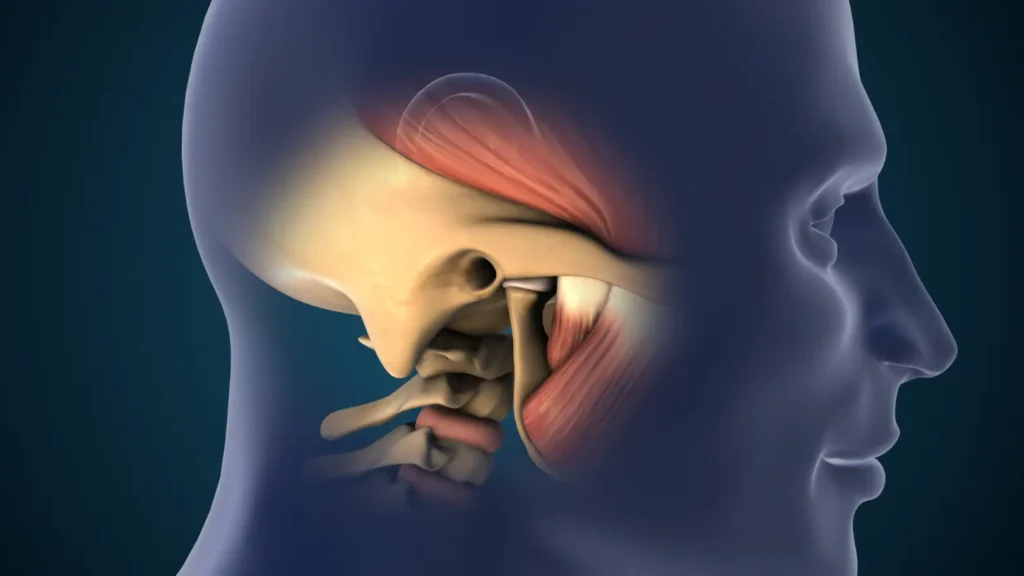
1. Persistent Jaw Pain
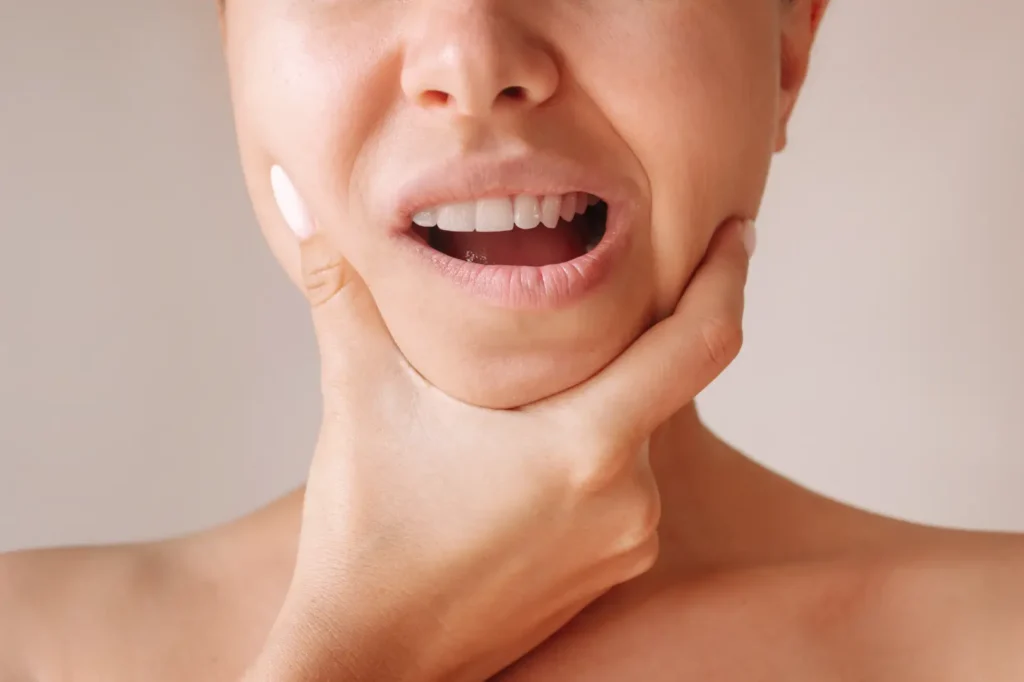
Jaw pain treatment is often sought when discomfort becomes noticeable during everyday activities such as chewing or speaking. Patients experiencing TMJ disorder may feel tenderness near the jaw joint or along the lower face. Discomfort may develop gradually or appear after extended jaw movement.
Jaw joint pain may feel dull, tight, or mildly sensitive, depending on muscle involvement. Some patients notice discomfort concentrated near the ear or extending toward the cheek area. Persistent tension may contribute to difficulty relaxing facial muscles.
TMD (temporomandibular disorder) symptoms may influence comfort during routine tasks such as eating or talking. Early recognition of jaw pain often supports proactive care. Addressing discomfort promptly may contribute to improved jaw mobility.
2. Jaw Clicking or Popping Sounds
Jaw clicking is one of the most commonly reported TMJ disorder symptoms. Patients may notice a clicking sound when opening or closing the mouth or when chewing. While occasional jaw clicking may not always indicate dysfunction, consistent sounds may suggest an imbalance within the joint structure.
Clicking or popping sounds often occur when cartilage discs inside the joint shift slightly during movement. Repeated clicking may contribute to awareness of jaw motion patterns. Some patients experience clicking without pain, while others notice associated tension.
Understanding jaw clicking patterns often helps dental professionals evaluate joint function. Monitoring sound frequency may provide insight into movement irregularities. Early evaluation often supports personalized jaw pain treatment planning.
3. Facial Muscle Tension
TMJ disorder often involves tension in the surrounding facial muscles responsible for supporting jaw movement. Muscle tightness may develop in the cheeks, temples, or near the ears. Facial pain disorder symptoms may appear as generalized tightness rather than localized discomfort.
Patients experiencing muscle tension may notice difficulty relaxing the jaw during rest. Prolonged muscle contraction may contribute to sensitivity or fatigue. Facial tension often reflects an imbalance in jaw movement patterns.
TMD (temporomandibular disorder) symptoms often influence multiple muscle groups simultaneously. Muscle fatigue may contribute to mild discomfort at the end of the day. Addressing muscle tension often supports improved comfort.
4. Limited Jaw Movement
Some patients with TMJ disorder notice restricted movement when opening or closing the mouth. Limited range of motion may make it difficult to chew comfortably or yawn fully. Jaw stiffness may appear gradually or fluctuate throughout the day.
Restricted movement often reflects joint inflammation or muscle tightness surrounding the temporomandibular joint. Patients may feel resistance when attempting to open the mouth widely. Jaw joint pain may contribute to movement limitation.
Limited jaw mobility may influence speech clarity or chewing comfort. Addressing movement restrictions often supports improved function. Evaluation often identifies contributing factors affecting mobility.
5. Jaw Locking Sensation
Occasionally, patients with TMD (temporomandibular disorder) report a sensation of the jaw becoming temporarily stuck or locked. Jaw locking may occur when the joint disc shifts position during movement. Patients may feel momentary difficulty opening or closing the mouth.
Jaw locking may resolve quickly, though recurring episodes may indicate a structural imbalance. Patients often describe feeling cautious when opening the mouth widely. Awareness of locking patterns often supports clinical evaluation.
Monitoring jaw locking frequency often helps providers assess joint function. Identifying movement irregularities often contributes to personalized jaw pain treatment planning. Early recognition may support improved comfort.
6. Headaches Related to Jaw Tension
TMJ disorder may contribute to tension-related headaches due to muscle strain near the temples and jawline. Patients experiencing facial pain disorder symptoms may notice discomfort radiating toward the forehead or scalp. Muscle tension may influence headache frequency.
Jaw joint pain may contribute to pressure sensations near the sides of the head. Tension headaches often occur when jaw muscles remain engaged for extended periods. Identifying underlying causes often supports targeted treatment strategies.
Dental clinics often evaluate jaw movement patterns when assessing headache concerns. Addressing TMJ disorder may support reduced muscle strain. Balanced muscle function often contributes to improved comfort.
7. Ear Discomfort Without Infection
Because the temporomandibular joint is located near the ear canal, TMJ disorder symptoms may include ear discomfort unrelated to infection. Patients may experience fullness, pressure, or sensitivity in the ear area. Jaw joint pain may feel concentrated near the ear structure.
Ear discomfort often reflects the proximity of joint structures rather than auditory concerns. Patients may notice symptoms when chewing or speaking. Identifying symptom patterns often contributes to accurate evaluation.
Understanding anatomical relationships often helps explain TMJ disorder symptoms. Ear-related discomfort may reflect muscle tension near the jaw joint. Evaluation often clarifies symptom origin.
8. Changes in Bite Alignment
Some patients with TMJ disorder notice subtle differences in how upper and lower teeth meet when biting. Bite alignment changes may reflect joint imbalance affecting jaw positioning. Minor shifts may contribute to uneven pressure distribution.
Changes in bite alignment may influence chewing comfort. Patients may feel that their teeth no longer meet as evenly as before. Bite awareness often supports clinical evaluation.
Dental professionals often assess bite alignment during examination. Balanced bite positioning often supports improved jaw comfort. Identifying alignment changes may contribute to targeted care.
Personalized Support with Fame By You
TMJ disorder often influences both physical comfort and daily function when jaw joint pain and facial tension become persistent. Recognizing symptoms such as jaw clicking, muscle tightness, and limited movement allows patients to seek guidance before discomfort progresses. Understanding TMD (temporomandibular disorder) often supports proactive decision-making regarding jaw pain treatment options.
Fame By You provides individualized evaluation approaches designed to assess jaw function and identify contributing factors affecting comfort. Patient-centered care often focuses on improving mobility while supporting balanced muscle activity. Personalized recommendations often reflect both functional and lifestyle considerations.
Through thoughtful consultation and customized care strategies, we offer guidance designed to help patients navigate TMJ disorder with confidence. TMJ evaluation continues to represent an important step toward improving comfort, restoring jaw mobility, and supporting long-term oral wellness.
Get in touch with us today to book your consultation!