


Tooth pain has a way of demanding immediate attention. What may begin as a mild sensitivity to hot coffee or cold water can gradually intensify into a persistent ache that disrupts daily life. In many cases, this discomfort signals deeper issues within the tooth—often the result of infection or advanced decay.
When bacteria reach the inner layers of a tooth, the dental pulp becomes inflamed or infected. At this stage, patients may face an important decision regarding treatment. Two common options for addressing severe tooth damage are root canal therapy and tooth extraction.
Both procedures are designed to resolve infection and restore comfort. A tooth-saving procedure such as a root canal focuses on preserving the natural tooth, while extraction removes the affected tooth entirely to prevent the infection from spreading.
The right solution depends on several factors, including the severity of the infection, the structural condition of the tooth, and the patient’s long-term oral health goals. Modern dentistry offers advanced techniques that make both treatments safe and effective.
Understanding the differences between these approaches can help patients feel confident about their treatment decisions. Continue reading to explore how each procedure works and how dentists determine the most appropriate option for tooth infection treatment.
What Causes Tooth Decay?
Tooth decay develops gradually when bacteria break down the protective structures of the tooth. While the process may begin subtly, it can eventually lead to infection and significant damage.
Several factors contribute to tooth decay.
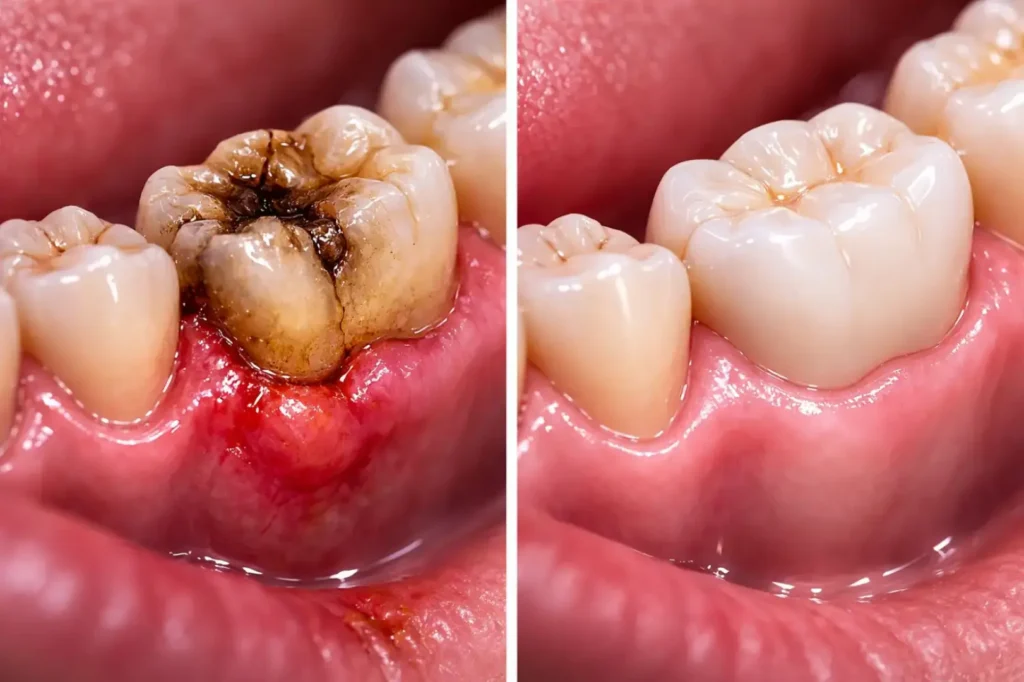
Poor Oral Hygiene. Inadequate brushing and flossing allow plaque to accumulate on the teeth. Plaque contains bacteria that produce acids capable of weakening tooth enamel. Over time, this process creates cavities that may deepen and reach the tooth’s inner structures.
Frequent Sugar Consumption. Sugary foods and beverages provide fuel for oral bacteria. These bacteria convert sugar into acids that attack the tooth’s enamel. Repeated exposure increases the risk of decay.
Dry Mouth. Saliva plays an essential role in protecting the teeth by washing away food particles and neutralizing acids. Reduced saliva production can leave teeth more vulnerable to decay. Certain medications and health conditions may contribute to dry mouth.
Cracked or Damaged Teeth. Teeth that are chipped or cracked may allow bacteria to penetrate deeper layers of the tooth. These openings create pathways for infection. Without treatment, the dental pulp can become inflamed.
Delayed Dental Care. Small cavities may progress into serious infections when left untreated. Regular dental visits help detect issues early. At Fame By You, both root canal therapy and tooth extraction are available to address advanced dental concerns.
What Is a Root Canal? What Is Tooth Extraction?
When decay or infection reaches the inner portion of the tooth, dental professionals may recommend specialized treatment to eliminate bacteria and relieve pain.
Root Canal Therapy
Root canal therapy is a procedure designed to remove infected tissue from inside the tooth while preserving the outer structure.
Inside every tooth lies a soft tissue known as the pulp. This tissue contains nerves and blood vessels that support tooth development. When bacteria invade this area, the pulp becomes infected and may cause significant discomfort.
During a root canal procedure, the dentist carefully removes the infected pulp and cleans the interior canals of the tooth. The space is then disinfected and sealed with a protective filling material.
Because the infected tissue is removed, the procedure eliminates pain while preserving the natural tooth structure. Many patients are surprised to discover that modern techniques make a pain-free root canal possible with minimal discomfort.
Following treatment, a dental crown is often placed to restore strength and function to the tooth.
Tooth Extraction
Tooth extraction involves removing a damaged or infected tooth from its socket in the jawbone.
This procedure may be recommended when the tooth is severely compromised or cannot be restored. Removing the tooth prevents infection from spreading to surrounding tissues.
Extractions may be simple or surgical depending on the tooth’s position and condition. Dentists carefully numb the area before performing the procedure to maintain patient comfort.
Although extraction resolves infection effectively, patients may later consider tooth replacement options such as implants or bridges to maintain proper alignment and function.
Both infected tooth treatment approaches aim to restore oral health and relieve discomfort.
Pros and Cons of Root Canal and Tooth Extraction
Choosing between a root canal and extraction often depends on the tooth’s condition and the patient’s long-term dental goals. Both procedures offer distinct advantages.
1. Root Canal: Preserving the Natural Tooth
One of the greatest advantages of root canal therapy is its ability to preserve the patient’s natural tooth.
Natural teeth provide optimal chewing efficiency and help maintain proper bite alignment. When the tooth structure remains intact, surrounding teeth are less likely to shift.
Root canals also help maintain the natural appearance of the smile. After treatment and restoration, the tooth often looks and functions like any other healthy tooth.
The primary consideration with root canal therapy is that it requires specialized treatment and restoration. However, this process allows patients to retain their original tooth while eliminating infection.
2. Root Canal: Pain Relief and Infection Removal
Many patients worry about discomfort when hearing the term “root canal.” Modern dentistry has transformed the experience into a comfortable and efficient procedure.
The goal of dental pulp treatment is to remove infected tissue while relieving pain caused by inflammation. Once the infected pulp is removed, the source of discomfort disappears.
Patients often report immediate relief following treatment, followed by gradual improvement during root canal recovery.
3. Root Canal: Long-Term Tooth Preservation
A well-performed root canal can last many years with proper dental care. After treatment, the tooth is typically protected with a crown that reinforces its structure. With routine oral hygiene and dental visits, the restored tooth can function normally for decades.
This longevity makes root canal therapy an appealing tooth-saving procedure for patients who want to maintain their natural smile.
4. Tooth Extraction: Immediate Removal of Infection
Tooth extraction offers a straightforward solution when the tooth cannot be saved. Removing the infected tooth eliminates the source of bacteria and prevents the infection from spreading to neighboring teeth or jawbone structures.
In cases where severe damage exists, extraction may provide the most effective path toward restoring oral health.
5. Tooth Extraction: Simplicity of Treatment
Compared with some restorative procedures, extraction can sometimes be completed quickly. For teeth that are severely fractured or structurally compromised, removing the tooth may prevent additional complications.
Dentists evaluate each case carefully before recommending this option. Extraction may also be necessary when the infection has progressed beyond the point where restoration is possible.
6. Tooth Extraction: Opportunity for Modern Restorations
While losing a natural tooth may seem concerning, modern dentistry provides excellent replacement options. Dental implants, bridges, and dentures can restore both appearance and function following extraction.
These solutions help maintain proper spacing between teeth and support overall oral health. In some cases, removing the damaged tooth creates an opportunity to rebuild the smile with advanced restorative techniques.

Considering Long-Term Oral Health
When comparing root canal therapy and extraction, dentists consider the broader impact on oral health.
Saving the natural tooth often helps preserve bone structure and maintain natural alignment. However, when a tooth cannot be restored safely, extraction may be the best choice.
The decision ultimately depends on the condition of the tooth and the patient’s individual needs.
Restoring Comfort and Confidence in Your Smile
Advanced dental treatments allow patients to address tooth infections effectively while protecting long-term oral health.
Fame By You offers professional care for both root canal therapy and tooth extraction, helping patients resolve dental infections and restore comfort through modern infected tooth treatment solutions.
Call us today to book your appointment!