


A confident smile carries remarkable influence. It shapes first impressions, enhances personal confidence, and often becomes one of the most memorable aspects of a person’s appearance. Yet many individuals feel hesitant to smile fully because of discoloration, chips, or uneven teeth.
Over time, everyday habits, aging, and environmental factors can gradually change the color and shape of teeth. Even with excellent oral hygiene, stains and imperfections may still appear. For patients seeking a refined and lasting improvement, veneers offer a sophisticated solution within modern cosmetic dentistry.
Veneers are ultra-thin coverings placed on the front surface of teeth to improve their color, shape, and alignment. Designed to blend naturally with surrounding teeth, veneers can transform a smile while maintaining a realistic appearance.
Patients considering a smile makeover often encounter two primary options: porcelain veneers and composite veneers. Both provide impressive aesthetic improvements, yet they differ in materials, longevity, and treatment approach.
Understanding these differences helps patients make confident decisions about their smile goals. Keep reading to explore the causes of tooth discoloration, how veneers work, and how to determine which option may be right for you.
Why Teeth Become Yellow or Discolored
Teeth rarely remain perfectly white throughout life. Various factors contribute to discoloration, even for individuals who maintain consistent oral hygiene habits.
- Food and Beverage Staining. Certain foods and drinks contain pigments that adhere to the tooth’s enamel. Coffee, tea, red wine, and dark-colored sauces are common contributors. Over time, these pigments gradually stain the teeth.
- Natural Aging. As people age, the outer enamel layer of the teeth slowly becomes thinner. When enamel wears down, the yellowish dentin beneath becomes more visible. This natural process contributes to gradual discoloration.
- Smoking and Tobacco Use. Tobacco products contain compounds that can deeply stain tooth enamel. Nicotine and tar often create stubborn yellow or brown discoloration. These stains can be difficult to remove with routine whitening.
- Poor Oral Hygiene. Inadequate brushing and flossing allow plaque and tartar to accumulate on the teeth. This buildup can create a dull or yellow appearance. Professional dental care helps prevent these deposits from forming.
- Certain Medications or Health Factors. Some medications, particularly certain antibiotics, may affect tooth color. Health conditions and genetics can also influence enamel thickness and shade.
At Fame By You, veneers are available as part of a comprehensive cosmetic dentistry solution for these concerns.
What Are Veneers?
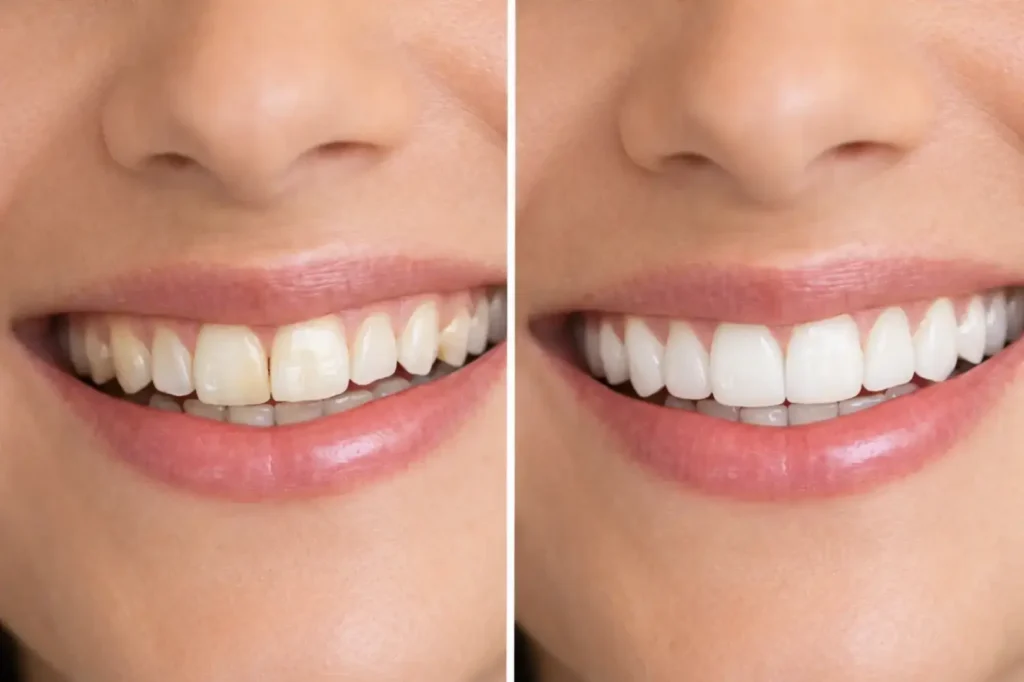
Veneers are thin shells custom-designed to cover the front surface of teeth. They improve the appearance of teeth by correcting discoloration, uneven shapes, gaps, and minor misalignment.
Placed carefully on the tooth surface, veneers create a brighter and more symmetrical smile. They are often used as part of a personalized smile design strategy.
Two main types of veneers are available: porcelain veneers and composite veneers.
Porcelain Veneers
Porcelain veneers are crafted from durable ceramic materials in a dental laboratory. These veneers are designed to mimic the translucency and reflective properties of natural tooth enamel. Because porcelain resists staining, the results remain bright for many years.
The process usually involves preparing the tooth surface and placing a custom-made veneer that bonds securely to the tooth. Porcelain veneers are widely known for their durability and natural appearance.
Composite Veneers
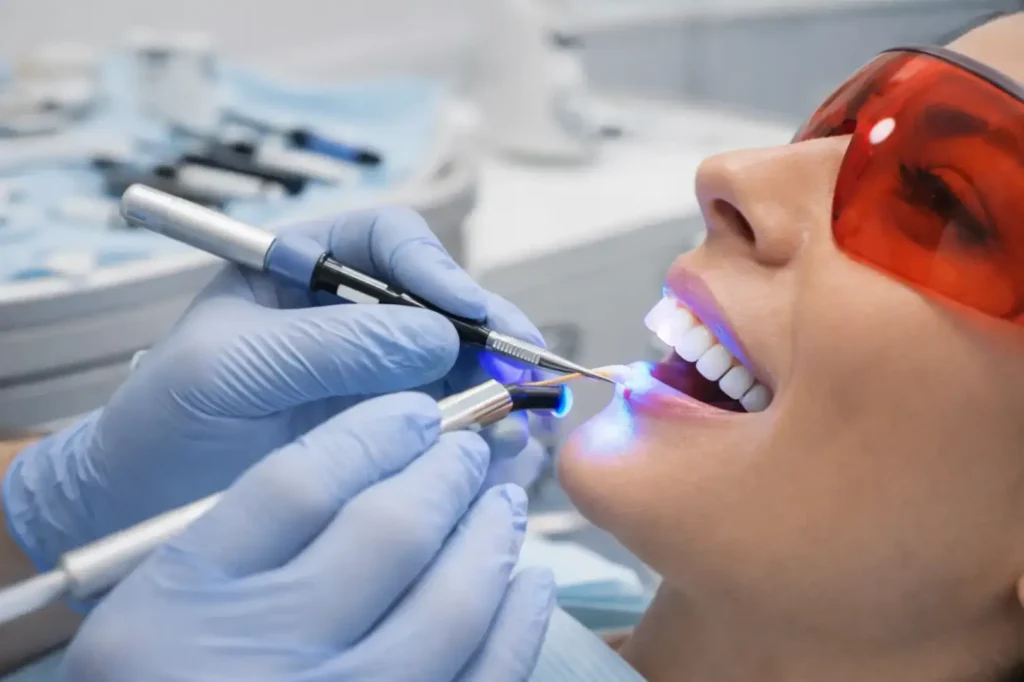
Composite veneers are created using a tooth-colored resin material applied directly to the tooth. Dentists sculpt and shape the resin during the appointment, allowing the veneer to blend seamlessly with surrounding teeth. The material is hardened using a special curing light.
Composite veneers are closely related to tooth bonding, a procedure often used to repair small chips or gaps. While they may not last as long as porcelain veneers, they provide an effective and accessible option for improving a smile.
Both types of veneers contribute to a refined smile makeover, helping patients achieve more balanced and aesthetically pleasing teeth.
Choosing the Right Veneers for Your Smile
Selecting between porcelain and composite veneers involves several considerations. Each patient’s dental goals, lifestyle, and preferences influence the most suitable option.
1. Longevity and Durability
One of the most notable differences between veneer types is durability.
Porcelain veneers are typically stronger and more resistant to wear than composite materials. With proper care, porcelain veneers can last many years while maintaining their appearance.
Composite veneers, while still durable, may require occasional maintenance or replacement over time. For patients seeking long-term results, porcelain may provide added longevity.
2. Aesthetic Appearance
Both veneer types can significantly improve the appearance of teeth.
Porcelain veneers are known for their ability to replicate the natural translucency of enamel. This quality allows them to reflect light in a way that closely resembles natural teeth.
Composite veneers also produce beautiful results, particularly for minor corrections. Skilled dentists can sculpt composite material to match the patient’s natural tooth shape.
3. Treatment Timeline
The treatment process differs between porcelain and composite veneers.
Porcelain veneers typically require multiple appointments. The dentist prepares the teeth, takes impressions, and sends them to a dental laboratory where the veneers are crafted.
Composite veneers are often completed in a single visit. The dentist applies and shapes the resin directly on the tooth, allowing immediate improvements.
4. Cost Considerations
Budget can also influence veneer selection.
Porcelain veneers generally involve higher costs due to laboratory fabrication and advanced materials. However, their longevity may offset this investment over time.
Composite veneers are usually more affordable because they can be created during a single appointment without laboratory work.
5. Level of Tooth Preparation
Porcelain veneers often require minimal reshaping of the tooth surface.
This preparation allows the veneer to fit naturally and securely. Although the procedure is conservative, it permanently alters a small portion of the enamel.
Composite veneers typically involve less preparation. The resin can be applied directly without removing significant enamel.
6. Maintenance and Care
Caring for veneers is similar to maintaining natural teeth.
Regular brushing, flossing, and professional dental visits help preserve both porcelain and composite veneers. Avoiding excessive biting pressure on hard objects also helps maintain their condition.
Porcelain veneers resist staining more effectively than composite veneers, which may require occasional polishing.
7. Reversibility
Another factor to consider is reversibility.
Because porcelain veneers involve some enamel reshaping, the procedure is considered permanent. Once placed, veneers remain part of the tooth’s structure.
Composite veneers, however, can sometimes be adjusted or repaired more easily if necessary.
8. Smile Design Goals
Patients seeking dramatic transformations often prefer porcelain veneers as part of a comprehensive smile design plan.
These veneers allow dentists to adjust multiple aspects of the smile simultaneously, including color, shape, and alignment.
Composite veneers are excellent for addressing smaller imperfections or making subtle enhancements.
Additional Benefits of Veneers
Beyond improving color, veneers offer several advantages for enhancing a smile.
They can help:
- Correct minor gaps between teeth
- Improve symmetry and shape
- Cover small chips or cracks
- Create a more balanced smile
Because veneers are custom-designed, they blend naturally with surrounding teeth and complement the patient’s facial features.
Transforming Smiles Through Cosmetic Dentistry
A refined smile often reflects careful attention to both health and aesthetics. Veneers provide an elegant solution for patients seeking brighter, more balanced teeth.
Fame By You offers advanced veneer treatments designed to support each patient’s unique smile makeover, combining expertise in cosmetic dentistry with personalized smile design.
Get in touch with us today to schedule your appointment!