


Most people walk into a dental office thinking about clean teeth, fresh breath, or maybe a cavity that needs attention. What rarely crosses their mind is something far more serious. Oral cancer prevention. That quiet, behind-the-scenes layer of care is one of the most important reasons routine visits matter, even if everything feels fine.
The reality is that oral cancer does not always come with obvious warning signs in its early stages. It can develop gradually, without pain or discomfort, which makes it easy to overlook. That is where oral cancer screening becomes essential. It is not dramatic or time-consuming, but it plays a critical role in identifying changes before they become something more serious.
Routine dental visits create a consistent checkpoint. They allow professionals to track subtle changes over time, making early cancer detection possible when it matters most. That kind of prevention is not about reacting. It is about staying ahead.
If you have ever wondered what else your dental visits are actually doing for your health, keep reading because the value goes far beyond what you see in the mirror.
What Oral Cancer Really Means
Understanding the basics helps put everything into perspective. Oral cancer is often discussed in broad terms, but knowing what it includes and how it develops gives more clarity.
What Is Oral Cancer?
Oral cancer refers to cancer that develops in any part of the mouth or the surrounding areas. This includes the lips, tongue, cheeks, gums, roof of the mouth, and the floor of the mouth. It is also closely related to conditions identified during a head and neck cancer screening, as these areas are interconnected.
Here are the key points to understand:
- It Can Develop Quietly. Early stages often do not cause pain, which is why regular mouth cancer screening is so important.
- It Involves Abnormal Cell Growth. Cells begin to grow uncontrollably, forming lesions or tumors that may spread if not identified early.
- It Can Affect Multiple Areas. Oral cancer is not limited to one spot. It can appear in different regions of the mouth and throat.
- Risk Factors Vary. Lifestyle factors such as tobacco use, alcohol consumption, and prolonged sun exposure to the lips can increase risk.
- It Is Highly Treatable When Found Early. This is where oral cancer detection becomes critical. Early identification significantly improves outcomes.
Understanding these basics highlights why prevention and routine monitoring matter.
Prevention Starts With Awareness
Oral cancer prevention is not just about avoiding risk factors. It is about recognizing changes and taking action early.
Recognizing Oral Cancer Symptoms
Many patients are unaware of the subtle signs that can indicate a problem. These symptoms are often dismissed or mistaken for minor issues.
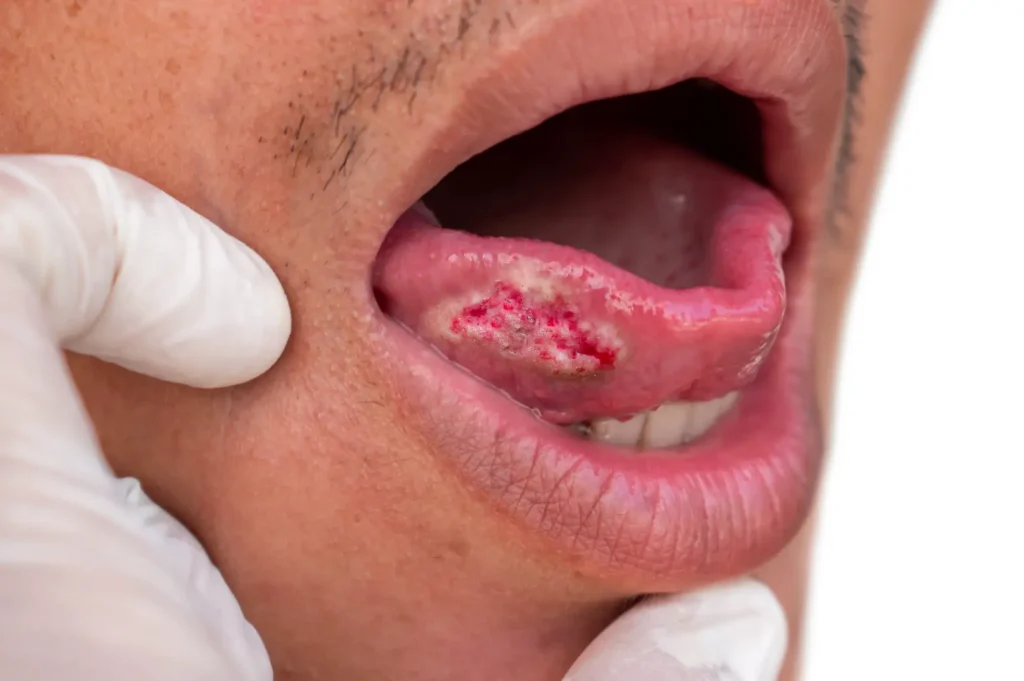
Some of the most common oral cancer symptoms include:
- Persistent sores that do not heal
- Red or white patches inside the mouth
- Unexplained bleeding
- Difficulty chewing or swallowing
- Changes in voice or speech
- A lump or thickening in the cheek
These signs do not always mean cancer, but they do signal the need for evaluation. This is why routine screenings are so valuable. They provide a consistent opportunity to catch these changes early.
Why Dental Visits Matter More Than You Think
Routine dental visits are one of the most effective ways to support oral cancer prevention. They create a structured system for monitoring changes that might otherwise go unnoticed.
1. Built-In Screening Every Visit
One of the most important aspects of a dental appointment is the dental cancer check that happens as part of the exam.
This process involves a visual and physical inspection of the mouth, tongue, and surrounding tissues. Dentists look for abnormalities in color, texture, and structure.
Because these checks happen regularly, they create a baseline. This makes it easier to identify even small changes over time.
2. Tracking Changes Over Time
Oral health is not static. It evolves, and subtle changes can indicate larger issues. Routine visits allow professionals to track these changes consistently.
What might seem insignificant at one appointment could become more noticeable at the next. This ongoing monitoring is one of the strongest tools for early cancer detection.
3. Early Intervention Opportunities
When abnormalities are identified early, the next steps can be taken quickly. This might include further evaluation, additional imaging, or referral to a specialist.
The key is that action happens before the condition progresses. Early intervention reduces the need for more complex treatments and improves overall outcomes.
4. Comprehensive Head and Neck Evaluation
A routine visit often includes elements of a head and neck cancer screening. This goes beyond the mouth, examining areas such as the jaw, neck, and lymph nodes.
These areas can show signs of underlying issues that are not visible inside the mouth. This broader approach adds another layer of protection.
5. Professional Expertise Matters
Dentists are trained to recognize patterns and changes that patients may not notice. They understand what healthy tissue looks like and can identify deviations quickly. This expertise plays a key role in accurate oral cancer detection.
The Role of Consistency
Consistency is one of the most overlooked factors in prevention.
Why Regular Visits Make a Difference
Skipping appointments creates gaps in monitoring. During those gaps, changes can develop without being noticed.
Regular visits close those gaps. They create a continuous record of your oral health, which makes it easier to identify trends and changes.
Building a Preventive Routine
Prevention works best when it becomes part of a routine. Routine dental visits, combined with awareness of symptoms, create a proactive approach to health. This reduces the likelihood of issues going undetected.

Beyond the Surface
Oral cancer screening is not just about identifying problems. It is about understanding the bigger picture of your health.
1. Connection to Overall Health
The mouth is closely connected to the rest of the body. Changes in oral health can reflect broader health issues. This makes dental visits an important part of overall health monitoring.
2. Empowering Patients
Knowledge is a powerful tool in prevention. When patients understand the importance of oral cancer screening and recognize potential symptoms, they are more likely to seek care early. This creates a more proactive and informed approach to health.
The Confidence of Knowing
There is a certain level of reassurance that comes from knowing your health is being monitored. Routine screenings provide that confidence.
They reduce uncertainty and create a sense of control over your health. This is not just about prevention. It is about peace of mind.
Where It All Comes Together
Fame By You approaches oral cancer screening as an essential part of routine dental care, integrating mouth cancer screening, dental cancer check, and elements of head and neck cancer screening into every visit.
By focusing on early cancer detection and consistent monitoring, patients receive a level of care that goes beyond standard checkups. The goal is to identify changes early, support prevention, and create a proactive approach to oral health.
For those who want to take a more intentional approach to their health, this is where the difference becomes clear. With regular visits and professional guidance, oral cancer screening becomes a powerful tool in maintaining long-term wellness and confidence.
What are you waiting for? Call us today to schedule your consultation!