


Dental problems rarely happen at a convenient time. A sudden toothache during dinner, a chipped tooth after a fall, or unexpected facial swelling on a weekend can leave you wondering whether you should wait until your next appointment or seek immediate care. In moments like these, knowing the difference between a routine dental concern and a true emergency can make all the difference.
This is where emergency dentistry plays a vital role. Prompt treatment not only relieves pain but may also prevent permanent damage, reduce the risk of infection, and even save a tooth that might otherwise be lost. While not every dental issue requires same-day attention, certain symptoms should never be ignored.
Understanding what qualifies as a dental emergency allows you to act confidently when unexpected problems arise. Keep reading to learn which warning signs deserve immediate attention and how timely care can protect both your smile and your overall health.
What Is a Dental Emergency?
A dental emergency is any oral health condition that requires prompt professional treatment to relieve severe pain, stop bleeding, treat infection, or prevent permanent damage to the teeth, gums, or surrounding tissues.
While some dental concerns can safely wait a few days for a scheduled appointment, others become more serious when treatment is delayed. Acting quickly often improves the chances of preserving the affected tooth while reducing the risk of more complex complications.
Understanding what counts as a dental emergency allows patients to make informed decisions while avoiding unnecessary delays that could affect treatment outcomes.
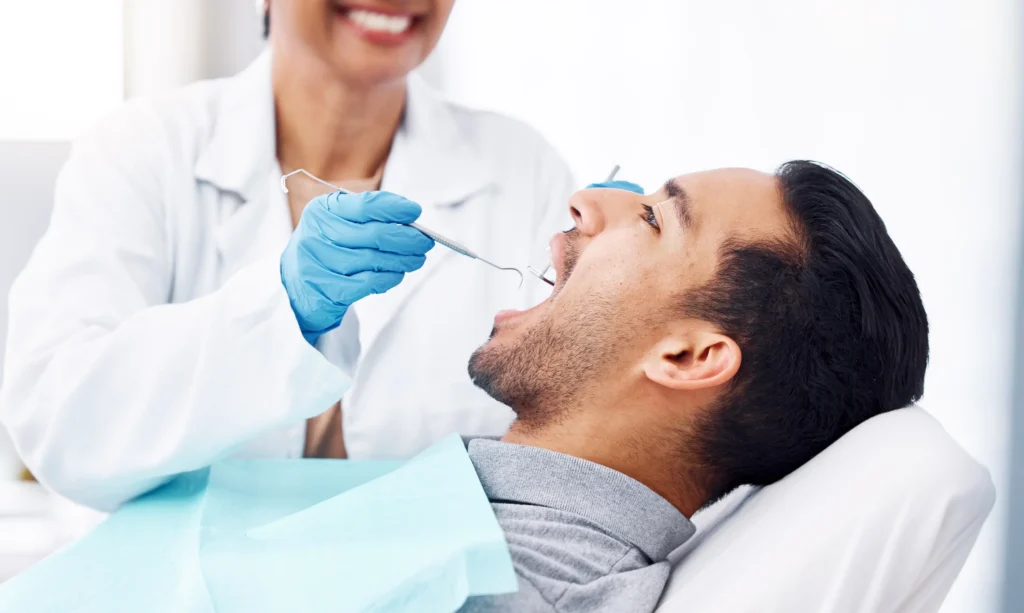
When You Should Call Your Dentist Immediately
Not every toothache requires urgent care, but certain symptoms should prompt a same-day call to your dental provider. Recognizing these warning signs early can help preserve your oral health while preventing more serious complications.
1. Severe or Persistent Tooth Pain
A mild tooth sensitivity after eating something cold is usually very different from pain that keeps you awake at night or becomes increasingly intense throughout the day. Persistent or severe tooth pain often signals an underlying issue such as advanced decay, infection, inflammation of the dental pulp, or damage to the tooth’s nerve.
Waiting for the discomfort to resolve on its own may allow the problem to worsen, increasing the likelihood of more extensive treatment later. Patients seeking emergency toothache relief the same day are often experiencing pain that interferes with eating, sleeping, or normal daily activities.
In these situations, contacting your dentist promptly allows the source of the pain to be identified and treated before additional complications develop. Although over-the-counter pain medication may temporarily reduce discomfort, it should never replace professional evaluation when significant pain is present.
2. A Broken or Cracked Tooth
A chipped corner may seem like a cosmetic inconvenience, but fractures vary greatly in severity. Some cracks involve only the enamel, while others extend into the deeper layers of the tooth where nerves and blood vessels are located.
When a tooth breaks after trauma, biting pressure, or chewing something hard, contacting a broken tooth emergency dentist is the safest course of action. Prompt evaluation helps determine whether the fracture threatens the structural integrity of the tooth or exposes the inner pulp to bacteria.
Until your appointment:
- Rinse your mouth gently with warm water.
- Save any broken fragments if possible.
- Avoid chewing on the affected side.
- Cover any sharp edges with dental wax if recommended.
- Apply a cold compress if swelling develops.
Early treatment often allows dentists to preserve more of the natural tooth while reducing discomfort and lowering the risk of infection.
3. A Knocked-Out Tooth
Few dental emergencies require faster action than a completely knocked-out permanent tooth. Whether the injury occurs during sports, an accident, or a fall, the first several minutes after the tooth is displaced are critical. Immediate care significantly improves the likelihood that the tooth can be successfully replanted.
If you’re wondering knocked out tooth what to do, follow these important steps:
- Pick up the tooth by the crown, never the root.
- Gently rinse it with clean water if dirt is present.
- Do not scrub or remove attached tissue.
- If possible, carefully place the tooth back into its socket.
- If reinsertion is not possible, store the tooth in milk or a tooth preservation solution.
- Contact your dentist immediately.
Because the viability of the tooth decreases over time, every minute matters. Receiving emergency dental care as quickly as possible offers the greatest opportunity to save the tooth and restore normal function.
4. Swelling or Signs of Infection
Pain is not the only symptom that deserves immediate attention. Swelling of the gums, face, or jaw, especially when accompanied by fever, a bad taste in the mouth, or difficulty swallowing, may indicate a serious dental infection.
One of the most concerning conditions is a dental abscess, a pocket of infection that develops around the tooth or gum tissue. Left untreated, the infection can spread beyond the mouth and affect other parts of the body.
Patients experiencing symptoms that may require dental abscess emergency treatment should contact their dentist as soon as possible. Warning signs include:
- Facial or jaw swelling
- Severe, throbbing tooth pain
- Swollen, tender gums
- Pus or drainage around the tooth
- Persistent bad taste or bad breath
- Fever or swollen lymph nodes
- Pain while chewing or biting
While antibiotics may be part of treatment, they do not eliminate the underlying dental problem on their own. Prompt evaluation allows your dentist to remove the source of the infection while relieving discomfort and protecting your overall health.
5. Bleeding That Doesn’t Stop or Dental Trauma
Bleeding inside the mouth after brushing or flossing occasionally may not be an emergency, but bleeding that continues after an injury should never be ignored.
Falls, sports injuries, vehicle accidents, or blows to the face can damage the teeth, gums, lips, and jaw. Even when teeth appear intact, trauma may affect the tooth roots or supporting bone beneath the surface.
Seek immediate dental care if you experience:
- Bleeding that continues after applying gentle pressure.
- Teeth that become loose after an injury.
- Difficulty closing your bite normally.
- Jaw pain or limited mouth opening.
- Significant swelling following trauma.
- Multiple broken or displaced teeth.
Applying a clean gauze pad with gentle pressure can help control bleeding while you arrange emergency treatment. A cold compress placed against the outside of the face may also help reduce swelling until you reach the dental office.
Prompt evaluation allows your dentist to identify injuries that may not be immediately visible while preserving as much healthy tooth structure as possible.
Dental Emergency or Something That Can Wait?
Not every dental concern requires a same-day appointment, which is why patients often wonder about the difference between a true emergency and an issue that can safely wait.
Generally, immediate care is recommended when pain is severe, bleeding cannot be controlled, infection is suspected, or a tooth has been significantly damaged or displaced.
Examples of conditions that often require urgent attention include:
- Severe toothache that does not improve.
- Knocked-out permanent teeth.
- Large fractures exposing the inside of the tooth.
- Significant facial swelling.
- Dental abscesses.
- Uncontrolled bleeding.
- Dental injuries after trauma.
Other concerns may be uncomfortable but can usually be scheduled during regular office hours, including:
- A small chip without pain.
- A lost filling that is not causing significant sensitivity.
- Mild tooth sensitivity to hot or cold.
- A loose crown that can be temporarily protected.
- Minor gum irritation.
Understanding the difference between dental emergency vs. can it wait helps patients respond appropriately while avoiding unnecessary delays for conditions that truly require immediate treatment.
When you’re uncertain, calling your dental office is always the safest decision. The dental team can assess your symptoms, provide guidance over the phone, and determine how quickly you should be seen.
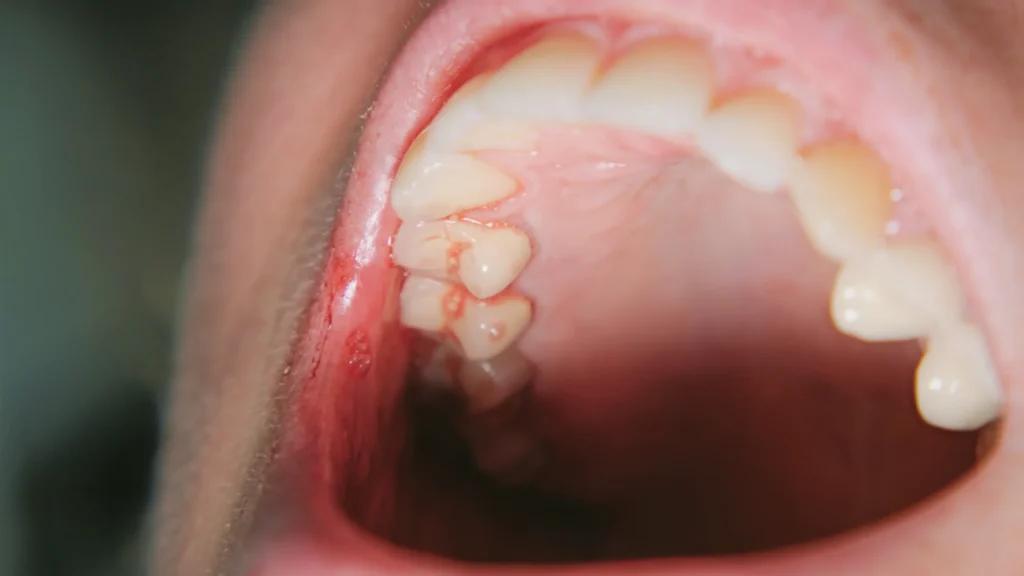
When Your Smile Needs Immediate Attention, Don’t Wait
Unexpected dental problems can be stressful, but timely care can make all the difference. At Fame By You, patients receive prompt, compassionate treatment tailored to the urgency of their situation.
Whether you’re experiencing sudden pain, a dental injury, or signs of infection, seeking professional care quickly can help relieve discomfort, protect your smile, and restore your confidence with a personalized treatment plan.
Connect with us today to book your appointment!