

Losing a tooth changes more than your smile. When several teeth are missing, everyday activities such as enjoying a meal, speaking clearly, or laughing with friends can suddenly feel less comfortable.
You may even find yourself avoiding certain foods or covering your mouth in photographs. Fortunately, modern tooth replacement options can help restore function and appearance, with implant-supported dentures offering an alternative to conventional removable dentures.
Both treatments replace missing teeth, but they differ in how they stay in place, how they feel, and what patients can expect over time. Traditional dentures rest on the gums, while implant-supported options connect to dental implants placed in the jawbone. Neither approach is automatically right for everyone.
Read on to understand their differences, compare the benefits and limitations, and discover which option may better suit your needs.
7 Key Differences Between Implant-Supported and Traditional Dentures
Choosing dentures involves more than deciding how your replacement teeth will look. Understanding how each option works can help you evaluate comfort, stability, maintenance, and long-term oral health.
1. How They Stay in Place
One of the biggest differences between these treatments is how the replacement teeth are supported. Traditional dentures rely primarily on the gums and surrounding oral tissues, while implant-supported dentures attach to dental implants anchored in the jawbone.
A conventional upper denture typically covers part of the palate and uses its fit against the oral tissues to help create retention. Lower dentures can be more challenging because the tongue and surrounding muscles influence their movement.
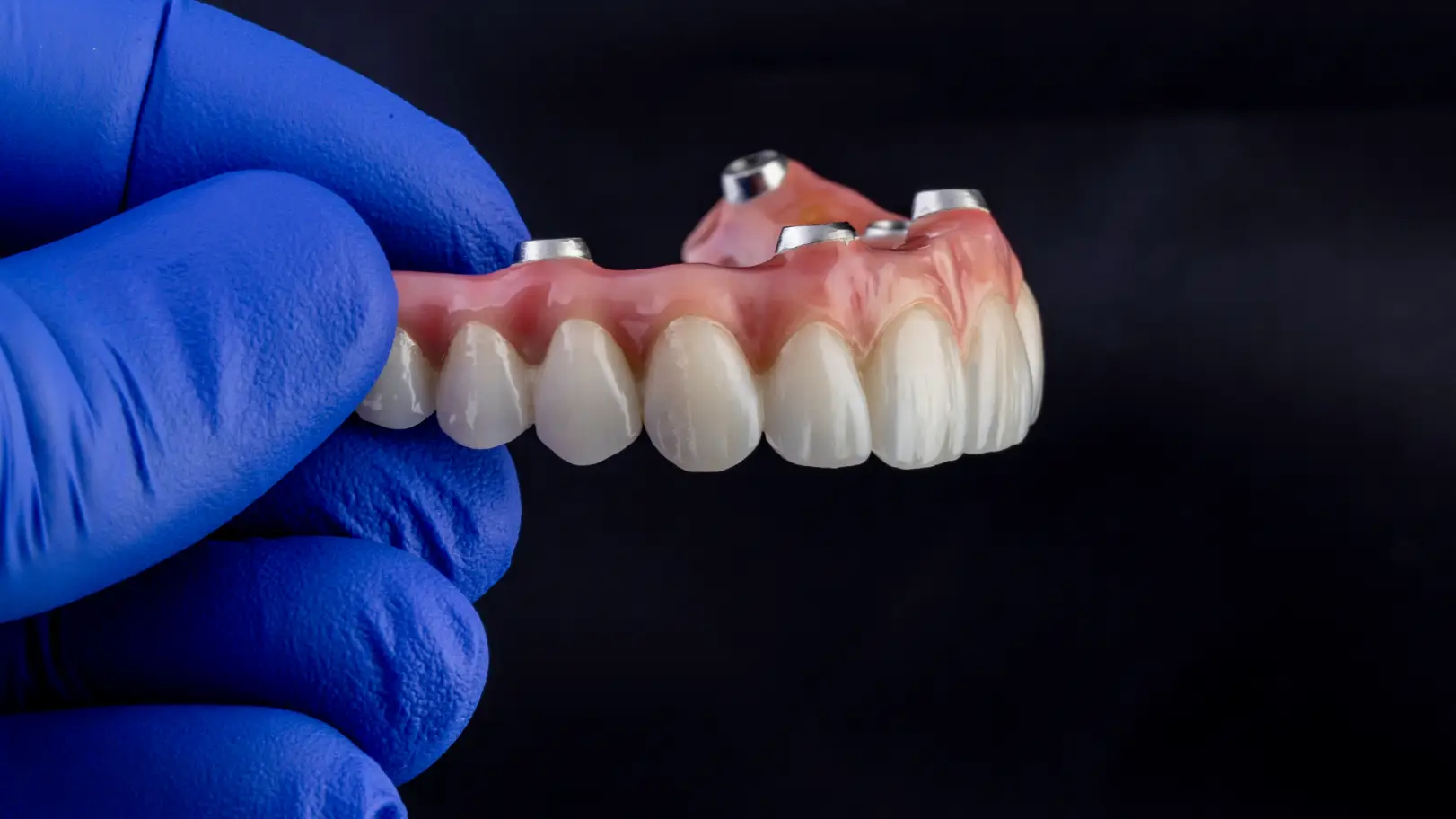
Implant-supported dentures use small titanium or other biocompatible implant fixtures placed surgically into the jaw. These fixtures act as anchors for the replacement teeth. Depending on the design, the denture may attach through specialized connectors or be secured with screws. The implants provide additional support that doesn’t depend entirely on the gums.
This difference can significantly influence denture stability, particularly for patients who struggle with loose lower dentures. However, the amount of stability depends on the implant arrangement, prosthesis design, and condition of the surrounding tissues.
Traditional dentures can still provide satisfactory function when properly fitted. The better option depends on your oral anatomy, medical history, and treatment goals.

2. Comfort During Everyday Activities
Comfort is often one of the first concerns patients raise when discussing tooth replacement. After all, dentures should help you enjoy everyday activities rather than constantly remind you that you’re wearing them.
Traditional dentures rest against the gums and may initially feel bulky or unfamiliar. Some patients experience sore spots as their mouths adjust, particularly during the first several weeks. Because conventional dentures rely on tissue support, pressure can develop in certain areas during chewing. Changes in gum and jawbone shape may also affect comfort over time.
Implant-supported dentures distribute some chewing forces through the implants. This may reduce movement and improve comfort for appropriately selected patients. However, implants don’t eliminate every potential source of discomfort. The denture must still be designed correctly, and surrounding tissues require ongoing care.
Patients should also understand that implant placement involves a surgical healing period. Temporary swelling, soreness, and dietary adjustments may be necessary following the procedure. Comfort depends on more than the type of denture. Proper fit, maintenance, and regular dental evaluations remain important with either option.
3. Confidence When Eating
Missing teeth can make certain foods difficult to chew, especially when several teeth have been lost. Dentures can restore chewing ability, but the experience differs depending on how the replacement teeth are supported.
Traditional dentures may move slightly when patients bite into firm or chewy foods. Some individuals adapt well, while others find that certain foods remain challenging. Implant-supported dentures often provide greater resistance to movement. This can improve chewing confidence and make a wider variety of foods easier to manage.
For example, patients who previously struggled with unstable lower dentures may notice improved function after receiving an appropriately designed implant-supported prosthesis.
However, implant dentures don’t restore every aspect of natural tooth function. Chewing performance depends on the prosthesis, implant support, bite alignment, and individual oral health. Patients may still need to avoid particularly hard or damaging foods, especially during healing. Your dentist can explain which dietary precautions apply to your specific treatment.
The goal is to make eating more comfortable and predictable. Both approaches can improve function compared with having no replacement teeth, but their performance may differ.
4. Removable or Fixed Designs
One common misconception is that every implant-supported denture stays permanently attached to the jaw. In reality, implant-supported prostheses can be removable or fixed. Removable implant overdentures connect to implants through attachments that help hold them in place. Patients can take them out for cleaning and maintenance.
These are sometimes called snap-in dentures because the denture engages with specialized connectors. The attachments provide retention while allowing the prosthesis to be removed. Fixed implant-supported dentures, on the other hand, are secured to the implants and aren’t intended for patients to remove at home. A dental professional can remove them when maintenance or repairs are necessary.
When comparing fixed vs. removable dentures, patients should consider cleaning requirements, treatment complexity, and personal preferences. Fixed options may feel more like a permanent set of teeth, but they still require careful hygiene around the prosthesis and implants. Removable designs can be easier to clean outside the mouth.
Neither design is universally superior. Your dentist should explain which option is suitable for your anatomy and ability to maintain oral hygiene.
5. The Number of Implants Needed
Patients exploring implant-supported dentures often wonder how many implants are necessary to support a full arch of replacement teeth. The answer depends on the prosthesis design, available bone, and individual treatment plan.
A removable lower overdenture may sometimes be supported by two implants. Other removable designs use additional implants to improve support or accommodate specific anatomical considerations. Fixed full-arch prostheses generally require more implants. Four or more may be used depending on the treatment approach and clinical circumstances.
The term all-on-four describes a full-arch treatment concept that uses four strategically positioned implants to support a fixed prosthesis. However, not every patient is suitable for this configuration. Bone quality, jaw anatomy, bite forces, and the condition of existing teeth influence implant planning. Some patients may need additional implants or preparatory procedures.
If you’re wondering how many implants for dentures are required, a comprehensive examination is the appropriate starting point. Imaging may be necessary to evaluate available bone and identify important anatomical structures. The objective isn’t simply to use the fewest implants possible. It’s to develop a stable, maintainable restoration suited to the patient’s needs.
6. Effects on Jawbone Health
When natural teeth are lost, the jawbone no longer receives the same stimulation from their roots. Over time, this can contribute to changes in bone volume and the shape of the supporting ridge. Traditional dentures replace the visible teeth but don’t replace their roots. As the underlying bone changes, the denture may gradually lose its original fit.
Dental implants interact differently with the jawbone because they are anchored within it. Once integrated, implants transfer functional forces to the surrounding bone. This may help preserve bone in areas surrounding functioning implants. However, implants don’t completely prevent jawbone changes throughout the mouth.
Bone loss can still occur because of inflammation, disease, mechanical factors, or changes in areas not directly supported by implants. Patients should also understand that implants require adequate bone for placement. Some individuals may need bone grafting or another preparatory procedure before treatment.
Maintaining jawbone health involves more than selecting a prosthesis. Regular examinations and appropriate care are important regardless of the treatment chosen.
7. Cleaning and Daily Maintenance
Both traditional and implant-supported dentures require consistent cleaning, but their maintenance routines differ. Understanding these responsibilities can help patients choose a treatment they can manage comfortably.
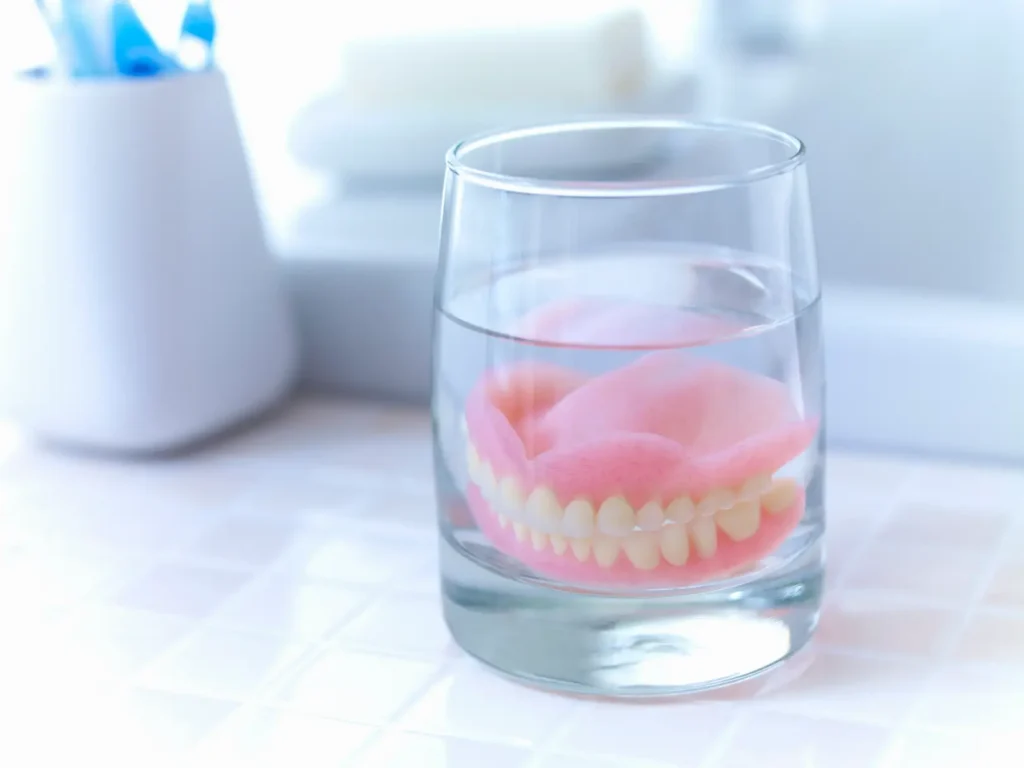
Traditional removable dentures should be cleaned daily using appropriate denture-cleaning products. Patients should also clean their gums, tongue, and any remaining natural teeth. Removable implant overdentures require similar cleaning of the prosthesis. However, patients must also clean around the implant attachments and surrounding gum tissues.
Fixed implant-supported dentures remain in the mouth during routine cleaning. Specialized brushes, flossing aids, or water flossers may be recommended to clean beneath and around the restoration.
These cleaning requirements matter because dental implants can develop inflammatory complications. Plaque accumulation around implants may contribute to peri-implant disease and potential bone loss.
Patients should also attend regular dental appointments for professional evaluation. Attachments, screws, and prosthetic components may need adjustment or replacement over time. Implants aren’t maintenance-free simply because they aren’t natural teeth. Long-term success depends partly on consistent hygiene and appropriate follow-up care.
Rediscover Everyday Confidence
Missing teeth shouldn’t have to define how you eat, speak, or smile. Both traditional dentures and implant-supported dentures can restore important functions, but their differences in stability, maintenance, and treatment requirements deserve careful consideration.
Fame By You is dedicated to personalized aesthetic and wellness care. For decisions involving dentures or dental implants, consult a qualified dental professional who can evaluate your oral health and recommend the most appropriate tooth replacement options.
Need help? Connect with us today!