

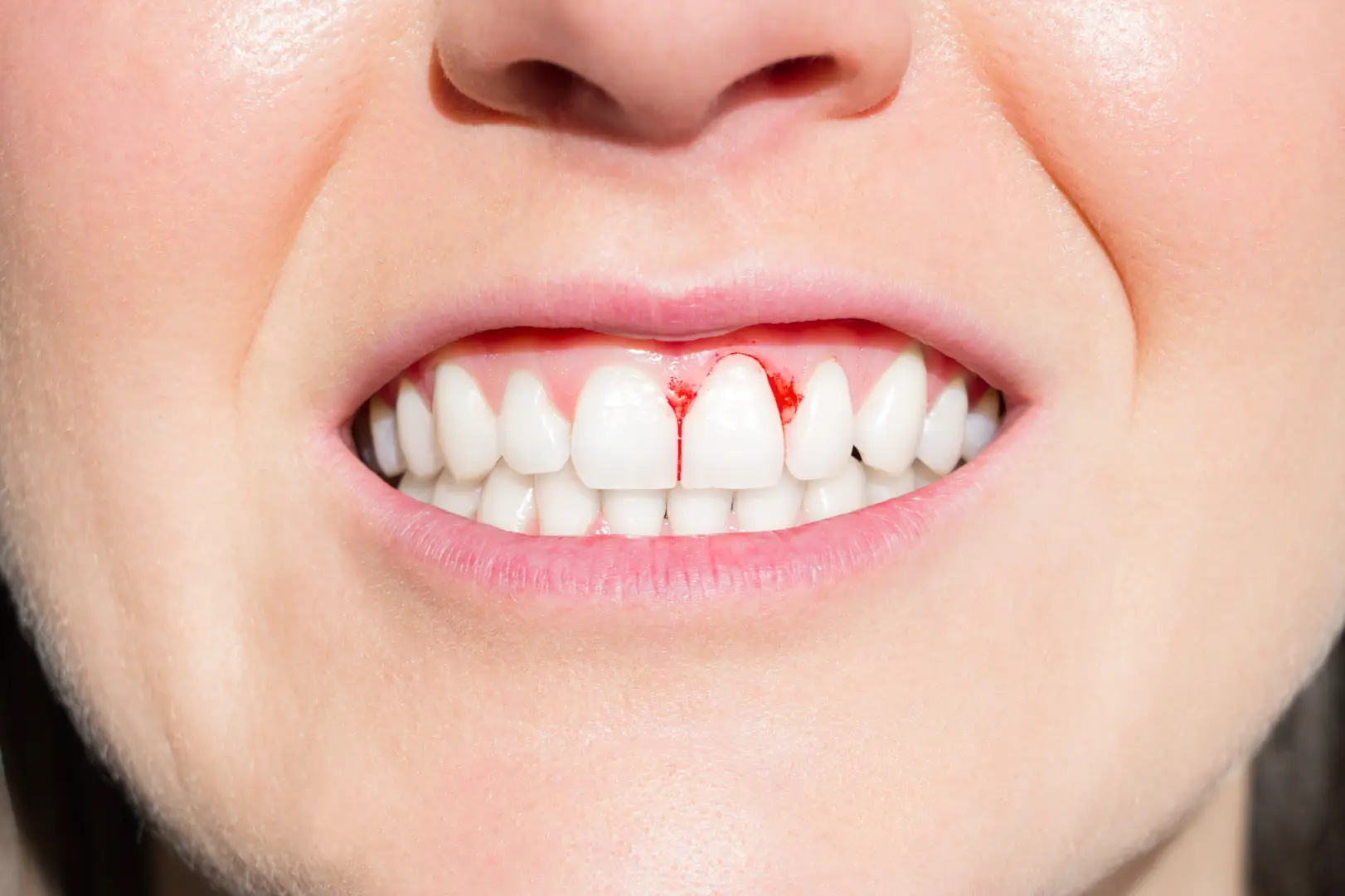
A surprising number of people see blood in the sink after brushing or flossing and dismiss it as no big deal. Maybe they brushed too hard. Maybe their gums are just sensitive. Maybe it will go away on its own.
The reality is that healthy gums generally do not bleed. Bleeding gums are often one of the earliest warning signs that something is happening beneath the surface. They can signal inflammation, infection, poor oral hygiene habits, or the beginning stages of gum disease.
Left untreated, what starts as occasional bleeding can progress into more serious problems that affect not only your smile but potentially your overall health as well. This is where gum disease treatment becomes important.
Early intervention can stop damage before it advances, help restore gum health, and protect the teeth and supporting structures that keep your smile strong. If you’ve noticed blood when brushing, persistent bad breath, gum tenderness, or changes in your smile, don’t ignore the message your body may be sending.
Continue reading to learn what bleeding gums often mean, why they matter, and how professional gum disease treatment can help restore your oral health.
Understanding Gum Disease Treatment
Before exploring what bleeding gums may be warning you about, it’s important to understand what gum disease treatment actually involves.
Gum disease treatment refers to a range of professional dental procedures designed to remove harmful bacteria, reduce inflammation, stop infection, and support healing of the gums and surrounding tissues.
The goal is not simply to stop bleeding. Effective treatment addresses the underlying cause and helps prevent future damage. Many patients are surprised to learn that gum disease is one of the most common oral health conditions worldwide. Fortunately, when caught early, it is often highly manageable.
Healthy Gums Matter
Gums do much more than frame your smile. They serve as a protective barrier around the roots of your teeth and help anchor teeth securely within the jawbone. When gums become inflamed or infected, the stability of the entire oral structure can be affected.
This is why paying attention to the signs of gum disease early can make a tremendous difference in long-term oral health.

Warning Sign #1: Plaque Is Building Up
One of the most common reasons gums begin to bleed is plaque accumulation. Plaque is a sticky bacterial film that constantly forms on teeth. If not removed through proper brushing and flossing, it irritates the gums and triggers inflammation.
At first, this irritation may seem minor. Patients may notice occasional bleeding when flossing or brushing. However, this is often one of the earliest signals that bacteria are affecting the gum tissue.
When plaque remains in place long enough, it hardens into tartar, which cannot be removed at home and requires professional treatment. Bleeding gums frequently represent the body’s attempt to alert you that bacterial buildup has reached a level that needs attention.
Warning Sign #2: Gingivitis Has Started
Bleeding gums are often the hallmark symptom of gingivitis. Gingivitis is the earliest stage of gum disease and is characterized by inflammation of the gum tissue. Patients may notice:
- Redness
- Swelling
- Tenderness
- Bleeding during brushing
- Bleeding during flossing
One of the most encouraging aspects of gingivitis is that it is typically reversible when treated promptly. Understanding the gingivitis vs. periodontitis difference is important because gingivitis affects only the gums, while periodontitis involves more serious damage to supporting tissues and bone. The sooner gingivitis is addressed, the easier it is to restore gum health.
Warning Sign #3: Your Body Is Fighting Inflammation
Inflammation is part of the body’s natural defense system. When harmful bacteria accumulate around the gums, the immune system responds by sending inflammatory cells to the area. While this response is intended to protect you, chronic inflammation can create additional damage over time.
Bleeding occurs because inflamed gum tissue becomes more fragile and susceptible to irritation. Many patients mistakenly view bleeding as the problem itself. In reality, bleeding is often a symptom of an ongoing inflammatory process that deserves attention.
Warning Sign #4: Gum Disease May Be Progressing
When gingivitis goes untreated, it may advance into periodontitis. This is where gum disease becomes significantly more serious. With periodontitis, bacteria move below the gumline and begin affecting the structures that support the teeth. Patients may experience:
- Persistent bleeding
- Gum recession
- Deep pockets around teeth
- Chronic bad breath
- Tooth sensitivity
- Loose teeth
Warning Sign #5: Your Gums May Be Receding
Bleeding gums sometimes accompany gum recession. As inflammation damages the tissue, gums may begin pulling away from the teeth. This exposes more of the tooth root and can increase sensitivity to hot, cold, or sweet foods.
Patients often notice:
- Teeth appearing longer
- Sensitivity near the gumline
- Small notches at the roots
- Visible gaps between teeth and gums
Recession can affect both aesthetics and oral health, making early treatment particularly valuable.
Warning Sign #6: Bad Breath Has a Deeper Cause
Persistent bad breath is often closely connected to gum disease. When bacteria accumulate beneath the gums, they release compounds that create unpleasant odors. Mouthwash may temporarily mask the problem, but it rarely eliminates the underlying cause.
If bleeding gums and chronic bad breath occur together, it may be time for a professional evaluation. Addressing the source of bacterial buildup can significantly improve breath quality while supporting healthier gums.
Warning Sign #7: Bone Loss Could Be Developing
Many patients do not realize that advanced gum disease can affect the jawbone. As infection progresses, the supporting bone around the teeth may begin to deteriorate. Unfortunately, bone loss often occurs silently.
Patients may not notice symptoms until significant damage has occurred. Routine dental examinations and timely periodontal treatment options help identify these concerns before they become severe.
Protecting the jawbone is one of the most important goals of comprehensive gum disease treatment.
Warning Sign #8: Your Overall Health May Be Affected
Research continues to explore the relationship between oral health and systemic health. One area receiving significant attention is the gum disease and heart health connection. Chronic inflammation associated with periodontal disease may contribute to broader inflammatory processes throughout the body.
While maintaining healthy gums does not guarantee protection from heart disease, reducing oral inflammation is considered an important part of overall wellness. This growing understanding highlights why bleeding gums should never be dismissed as merely a dental concern.
Warning Sign #9: Your Home Care Routine Needs Adjustment
Sometimes bleeding gums indicate that oral hygiene habits need improvement. This does not necessarily mean patients are neglecting their teeth. It may simply mean that certain areas are being missed or that techniques need refinement.
Common issues include:
- Inconsistent flossing
- Inadequate brushing duration
- Using worn toothbrushes
- Skipping professional cleanings
- Poor access to hard-to-reach areas
A dental professional can often identify small adjustments that produce meaningful improvements.

Warning Sign #10: Your Body Wants Attention Now, Not Later
One of the most important messages bleeding gums communicate is urgency. The body rarely sends warning signs without reason. Ignoring bleeding may allow inflammation and infection to continue progressing. Addressing the issue early often leads to simpler, more conservative treatment and better long-term outcomes.
Many patients wish they had sought care sooner once they learn what was happening beneath the surface.
A Healthier Smile Starts With Listening to the Signs
Your gums communicate more than many people realize. When they bleed, they are often signaling inflammation, bacterial buildup, infection, or early gum disease. Paying attention to those signals can make the difference between a simple preventive visit and more extensive treatment later.
Professional gum disease treatment helps address the root cause of bleeding, reduce inflammation, and protect both oral and overall health. Rather than waiting for symptoms to worsen, patients can take proactive steps toward healthier gums and a stronger smile.
At Fame By You, oral wellness begins with understanding the messages your body is sending. If you’ve noticed bleeding, tenderness, or other warning signs, now is the time to learn more about how gum disease treatment can help support long-term dental health.
Contact us today to schedule your appointment!