

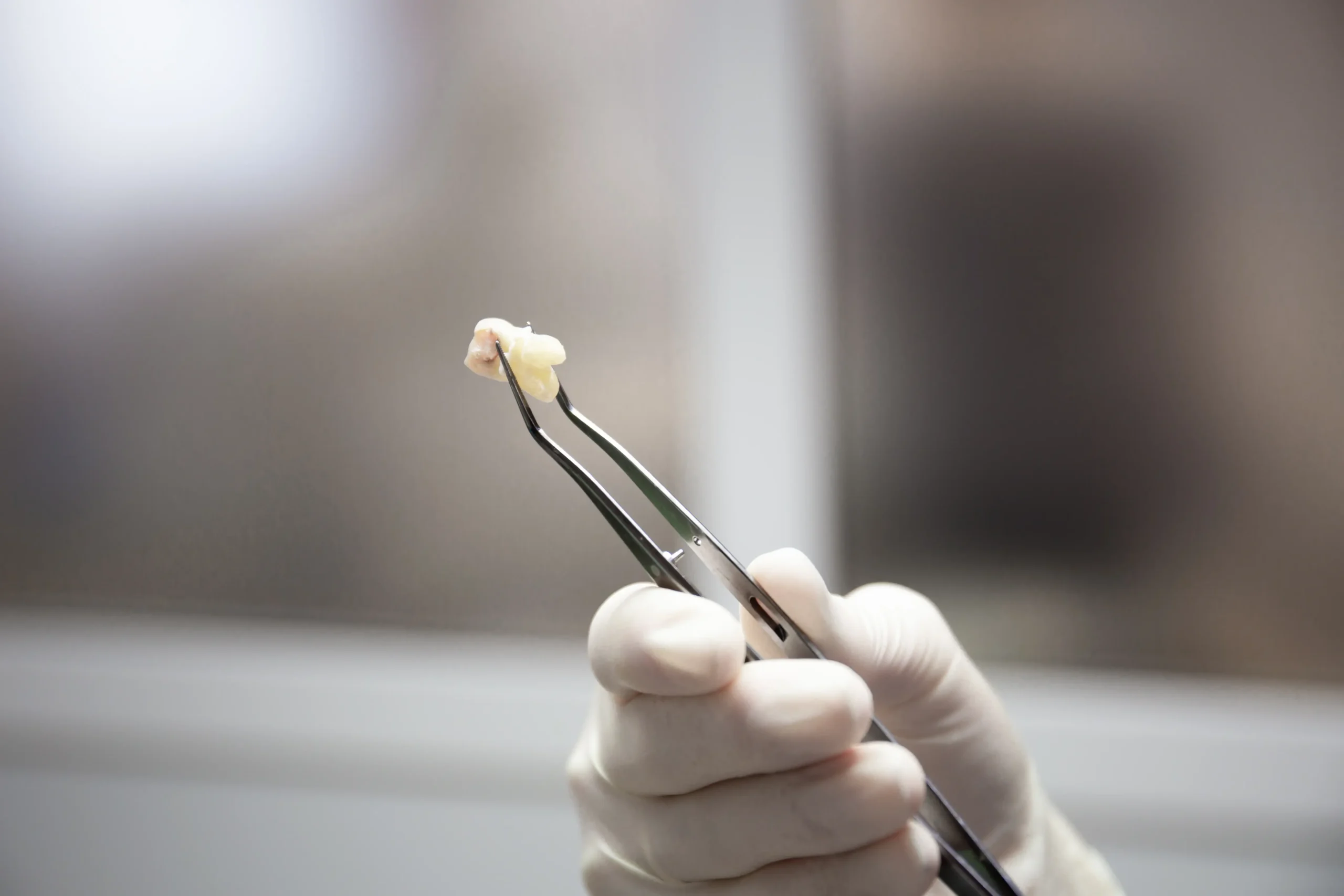
Wisdom teeth often arrive with a reputation for causing problems, but not every third molar automatically needs to be removed. Some people go through life without experiencing discomfort, while others develop pain, swelling, infections, or crowding that require prompt treatment.
The real question is whether your wisdom teeth have enough room to grow and remain healthy without affecting the rest of your smile. Wisdom teeth removal remains one of the most common oral surgery procedures because it helps prevent future complications when these teeth become impacted or fail to erupt properly.
Understanding when removal is recommended can help patients make informed decisions before small concerns become larger dental problems. Continue reading to discover what dentists and oral surgeons evaluate, the warning signs to watch for, and why the answer depends on much more than simply having wisdom teeth.
What Is Wisdom Tooth Removal?
Understanding the procedure helps patients feel more confident when discussing treatment options. Wisdom tooth removal is an oral surgery performed to remove one or more third molars located at the very back of the mouth. These teeth usually develop between the late teenage years and early adulthood, although not everyone experiences the same timing.
Some wisdom teeth erupt normally and function like any other tooth. Others remain trapped beneath the gums or jawbone, grow at awkward angles, or push against neighboring teeth, creating problems that cannot be corrected without removal.
Because every patient’s anatomy is unique, treatment recommendations are always based on clinical examination and dental imaging rather than age alone.

When Removal Becomes the Better Choice
Not every wisdom tooth requires extraction, but certain situations make removal the healthiest long-term option. Understanding these circumstances helps explain why oral surgeons sometimes recommend removing wisdom teeth even before they become painful.
1. Impacted Teeth Can Create Hidden Problems
One of the most common reasons for removal is impaction. An impacted wisdom tooth lacks sufficient room to erupt properly. Instead of growing vertically, it may remain trapped beneath the gum tissue or jawbone, or it may grow sideways toward neighboring teeth.
Common impacted wisdom tooth symptoms include:
- Jaw pain
- Swollen gums
- Tenderness near the back teeth
- Difficulty opening the mouth
- Bad breath
- Repeated infections
- Headaches caused by jaw discomfort
Some impacted teeth cause no immediate symptoms, yet they can still damage adjacent teeth over time. This is why regular dental X-rays are important even when patients feel perfectly comfortable.
2. Persistent Pain Is a Sign Something Needs Attention
Pain should never be ignored. Although temporary soreness may occur while wisdom teeth erupt, ongoing discomfort often signals that the tooth is placing pressure on surrounding tissues or has become inflamed.
Patients searching for answers about wisdom tooth pain, what to do, should avoid assuming the discomfort will simply disappear. Instead, a dental examination can determine whether the pain is related to eruption, infection, impaction, gum inflammation, or another dental issue entirely. Treating the underlying cause early often prevents more complicated procedures later.
3. Repeated Gum Infections
Sometimes only part of the wisdom tooth erupts through the gum. This creates a small flap of tissue where food particles and bacteria become trapped. Cleaning the area thoroughly becomes difficult, increasing the likelihood of inflammation and infection.
This condition, known as pericoronitis, may cause:
- Swollen gums
- Redness
- Pain while chewing
- Bad taste
- Difficulty swallowing
- Jaw stiffness
While antibiotics may temporarily reduce infection, recurring episodes often indicate that removing the wisdom tooth is the most predictable long-term solution.
4. They Can Damage Nearby Teeth
Wisdom teeth don’t exist in isolation. When they erupt at an angle, they may press directly against the neighboring second molars. Over time, this pressure can contribute to:
- Tooth damage
- Bone loss
- Gum recession
- Increased cavity risk
- Root resorption in rare cases
Removing the wisdom tooth protects the healthy teeth patients rely on every day.
5. Crowding May Affect Orthodontic Results
Many patients wonder whether wisdom teeth always cause crowding. Research on this topic remains mixed, but wisdom teeth can contribute to pressure in mouths that already have limited space.
For patients who have invested in orthodontic treatment, providers often monitor wisdom teeth carefully to determine whether removal is appropriate. Although crowding is not the sole reason wisdom teeth are extracted, preserving overall dental alignment remains an important consideration.
6. Cavities Become More Difficult to Treat
Wisdom teeth sit in one of the hardest areas of the mouth to clean. Even patients with excellent oral hygiene may struggle to brush and floss behind the last molars consistently. Because of this limited access, wisdom teeth often develop decay earlier than other teeth.
Sometimes both the wisdom tooth and the neighboring molar become affected. When restorative treatment becomes impractical, removal may provide the healthiest long-term outcome.
7. Cysts Can Occasionally Develop
Although less common, impacted wisdom teeth may sometimes be associated with cyst formation. These fluid-filled sacs develop around the unerupted tooth and may gradually damage surrounding bone or nearby teeth if left untreated. Routine dental imaging helps identify these issues before significant complications develop.
Timing Matters
One of the most common questions patients ask is when wisdom teeth should be removed. There is no universal answer. Instead, providers evaluate:
- Tooth position
- Jaw development
- Available space
- Symptoms
- Risk of future complications
- Overall oral health
Many oral surgeons recommend evaluation during the late teenage years because the roots are still developing and healing is often easier in younger patients. However, adults may also benefit from removal when clinical findings indicate treatment is appropriate.
Wisdom Tooth Removal at What Age?
Patients frequently ask about the ideal age for wisdom tooth removal. Most evaluations occur between ages 16 and 25 because wisdom teeth usually become visible on dental X-rays during this period.
Earlier evaluation allows providers to monitor growth before complications arise. That said, age alone never determines treatment.
Some patients keep healthy wisdom teeth throughout life, while others require removal later because symptoms develop over time. The decision depends on the teeth—not simply the birthday.

What Recovery Looks Like
Knowing what happens afterward helps reduce anxiety before surgery. Most patients experience mild swelling, soreness, and temporary stiffness during the first few days following extraction. Typical wisdom tooth removal recovery time varies depending on:
- Number of teeth removed
- Degree of impaction
- Overall health
- Surgical complexity
Many patients return to work or school within several days, although complete healing of the extraction sites continues over several weeks. Following postoperative instructions carefully supports comfortable healing while reducing the risk of complications.
Can Wisdom Teeth Ever Stay?
Absolutely. Healthy wisdom teeth that:
- Erupt completely
- Remain cavity-free
- Can be cleaned properly
- Cause no pain
- Do not damage neighboring teeth
may not require removal.
This is why regular examinations remain so valuable. Monitoring allows providers to intervene only when necessary rather than recommending surgery automatically.
Protect Your Smile with Expert Guidance
Wisdom teeth do not always need to come out, but when they begin affecting your comfort or oral health, timely treatment can prevent far more complicated problems down the road. Whether you’re experiencing impacted wisdom tooth symptoms, wondering when wisdom teeth should be removed, or simply looking for reassurance after learning your wisdom teeth are developing, a professional evaluation provides the clarity you need.
At Fame By You, patients receive thoughtful, individualized care focused on long-term oral health. From careful examinations to personalized treatment recommendations, the team is committed to helping every patient make informed decisions about wisdom teeth removal with confidence and peace of mind.
Call us today to schedule your appointment!